
Soilless Farming in Canada
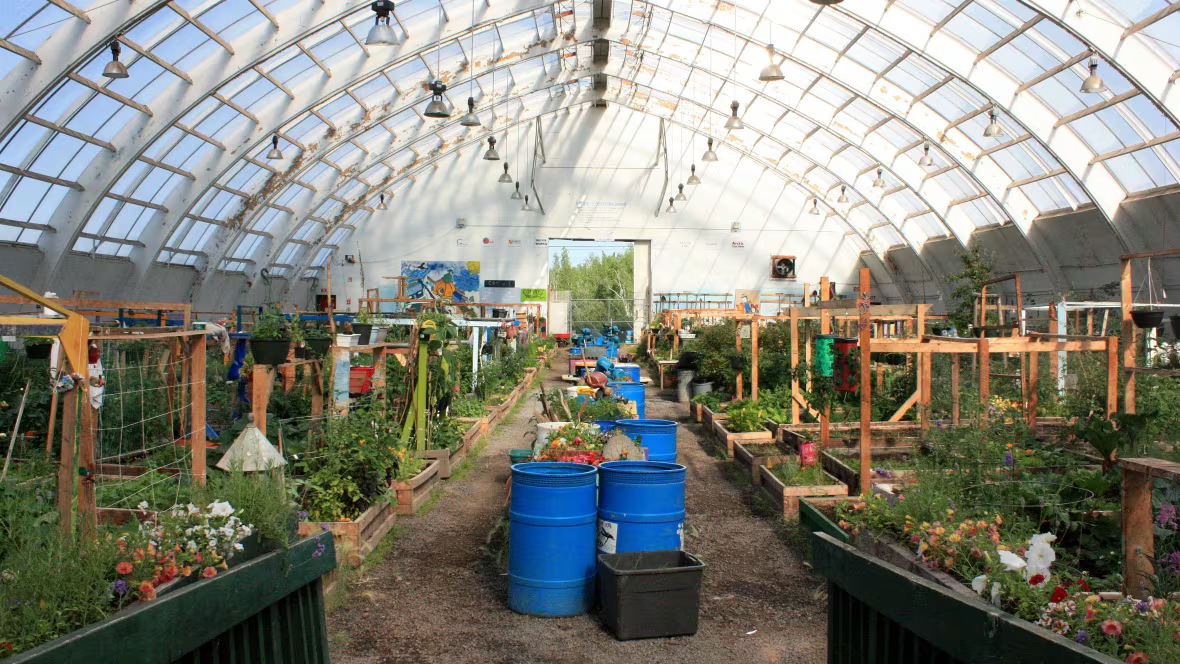
As greenhouse agriculture advances, soilless farming has become a cornerstone of agricultural innovation in Canada. This method allows crops to grow without traditional soil, using nutrient-rich water solutions or alternative substrates such as cocopeat.
Soilless farming enables precise control of water and nutrients, increases yields, and reduces pests and resource consumption — making it ideal for a country like Canada, with limited arable land and cold climates.
The most commonly used systems are hydroponics and substrate-based methods, such as growing in cocopeat. In provinces like Ontario and British Columbia, high-value crops like tomatoes, cucumbers, peppers, and strawberries are widely grown using these technologies.
Public companies like Village Farms International (VFF.TO) have pioneered this space with massive greenhouse operations. Meanwhile, GoodLeaf Farms combines vertical farming, LED lighting, and closed-loop hydroponic systems to grow microgreens year-round.
At Paul’s Farm, we are exploring these innovations to eventually provide fresh, sustainable produce to local families.

